1st December 2025

GK Marathon
Live Session

Comprehensive Current Affairs & General Knowledge Update

1

150 Years of Vande Mataram

The Historic Anniversary

  • Significance: November 7, 2025 marks the 150th anniversary of India's National Song.
  • First Publication: Published in the literary journal Bangadarshan on Nov 7, 1875.
  • Meaning: Translates to "Mother, I Bow to Thee" - a powerful personification of the motherland as a goddess.
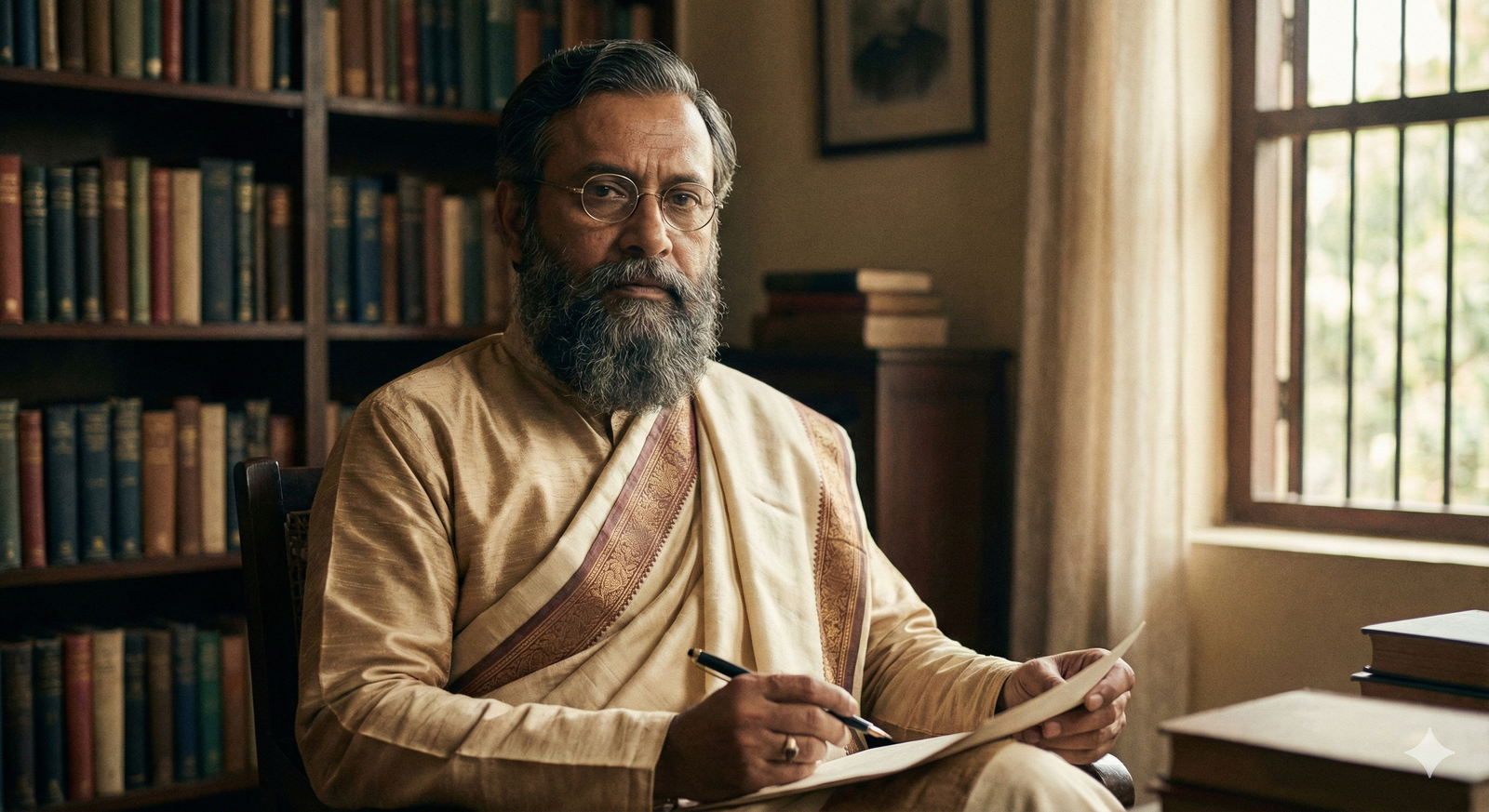
Bankim Chandra Chatterjee Portrait
2

Literary & Musical Origins

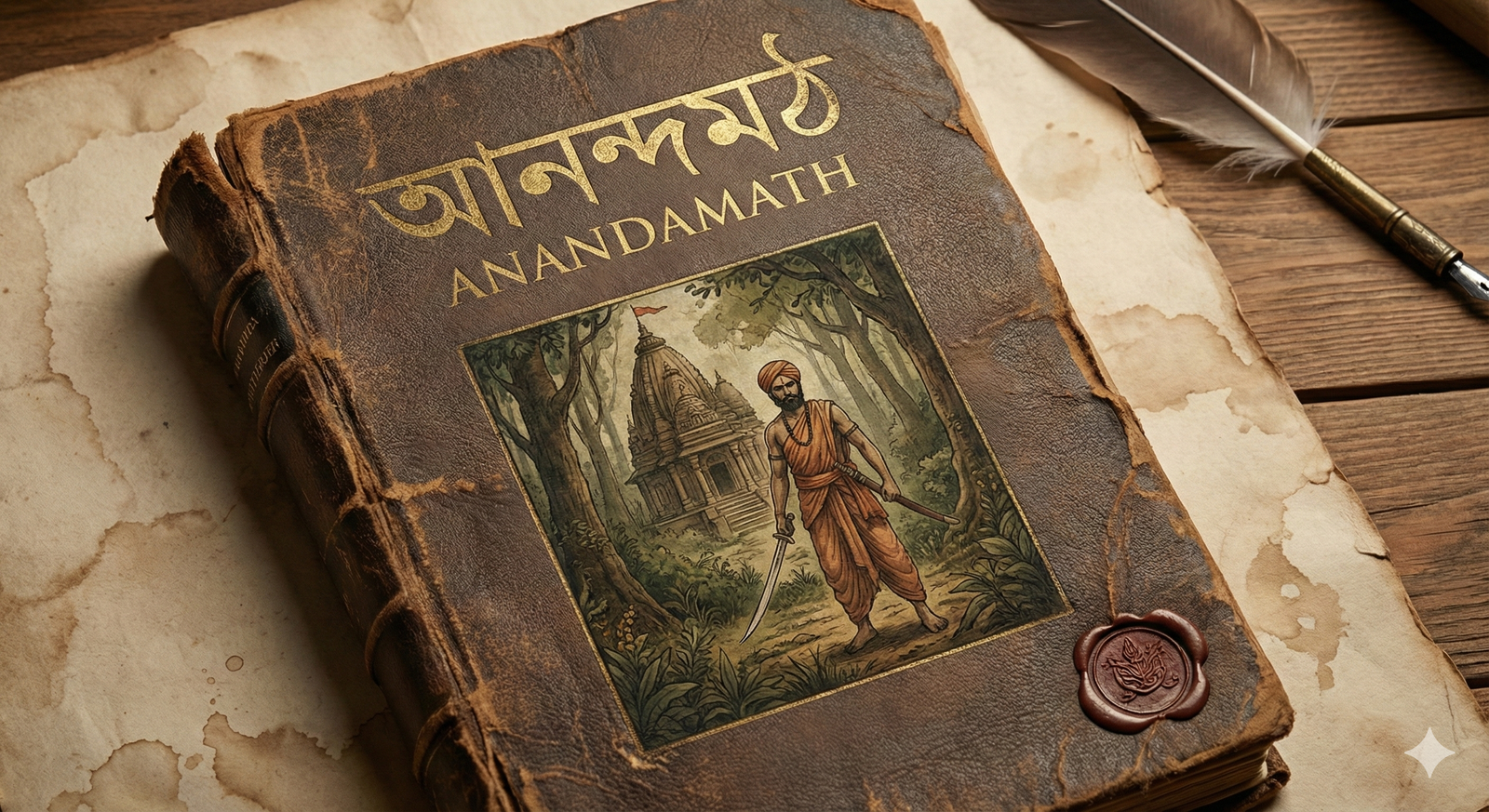
  • Novel Integration: Bankim Chandra Chatterjee later incorporated the song into his seminal novel Anandamath (1882).
  • Context: The novel was set against the backdrop of the Sannyasi Rebellion.
  • First Rendition: The song was composed and first sung publicly by Rabindranath Tagore at the 1896 Congress Session.
Anandamath Book Cover or Manuscript
3

Vande Mataram: The Freedom Cry

Fueling the Revolution

Bande Mataram Sampradaya (1905):
Formed during the Partition of Bengal to promote patriotic devotion. Members organized Prabhat Pheris (morning processions) singing the anthem.

The Daily (1906):
A newspaper started by Bipin Chandra Pal & Sri Aurobindo named "Bande Mataram" became a major voice for Indian nationalism.

Martyrdom (1909):
Madan Lal Dhingra’s last words before facing the gallows were "Bande Mataram".

4

Global Recognition

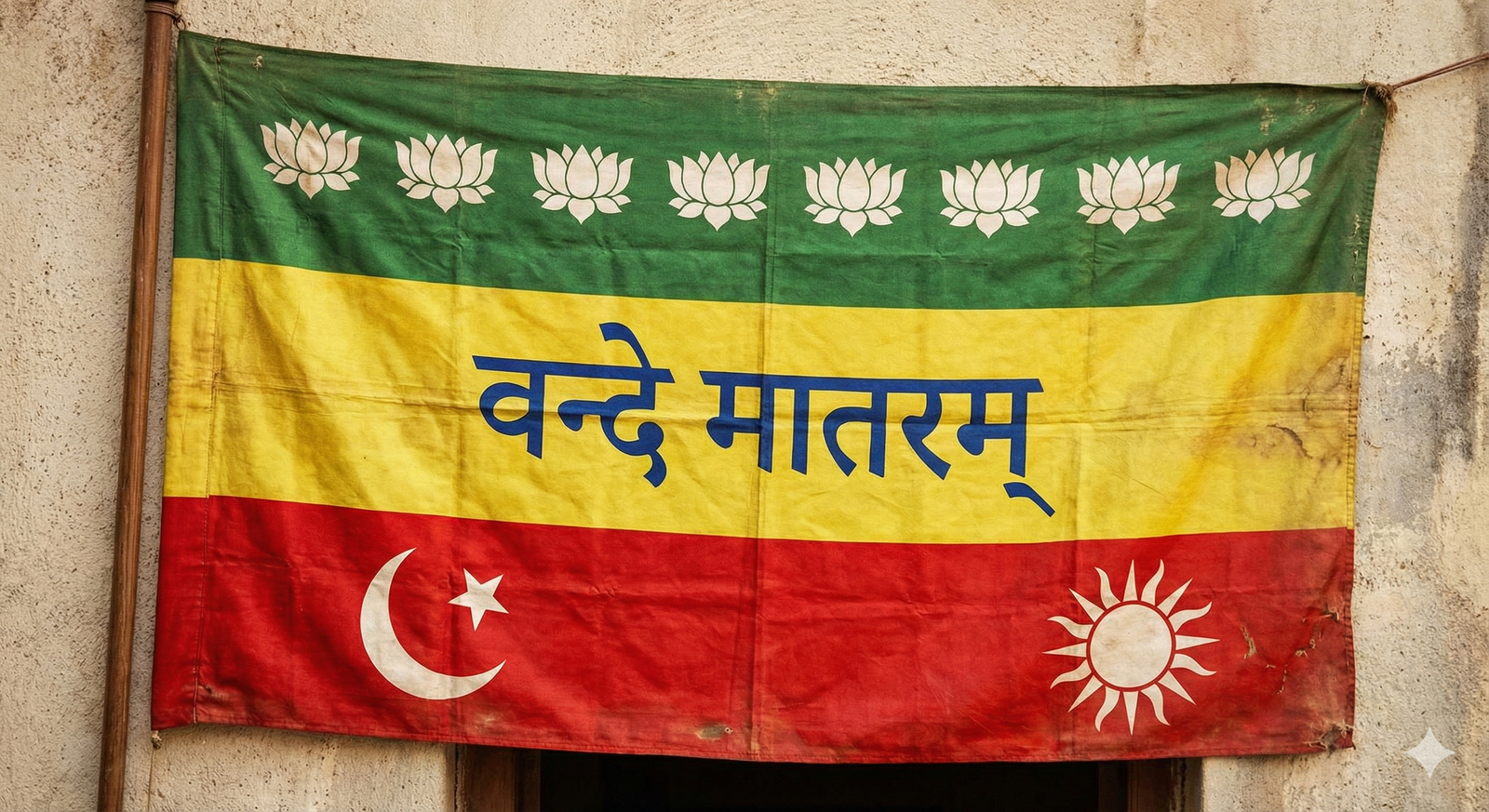
  • Stuttgart (1907): Madam Bhikaji Cama unfurled the first version of the Indian flag in Germany. The flag had "Vande Mataram" inscribed clearly in Devanagari script.
  • South Africa (1912): When G.K. Gokhale visited Cape Town, he was welcomed by a massive crowd chanting "Vande Mataram".
Madam Cama Flag
5

Constitutional Status

"The song Vande Mataram, which has played a historic part in the struggle for Indian freedom, shall be honoured equally with Jana Gana Mana and shall have equal status with it."

- Dr. Rajendra Prasad, Constituent Assembly (Jan 24, 1950)

6

Indus Valley Civilization: Timeline

Phase Timeline (Approx.)
Early Harappan
Formative phase, early farming (Mehrgarh)
6000 - 2600 BCE
Mature Harappan
Peak urban planning, trade, and standardization
2600 - 1900 BCE
Late Harappan
Decline, de-urbanization, and migration
1900 - 1300 BCE

*Note: Broad timeline is typically cited as 3300-1300 BCE.

7

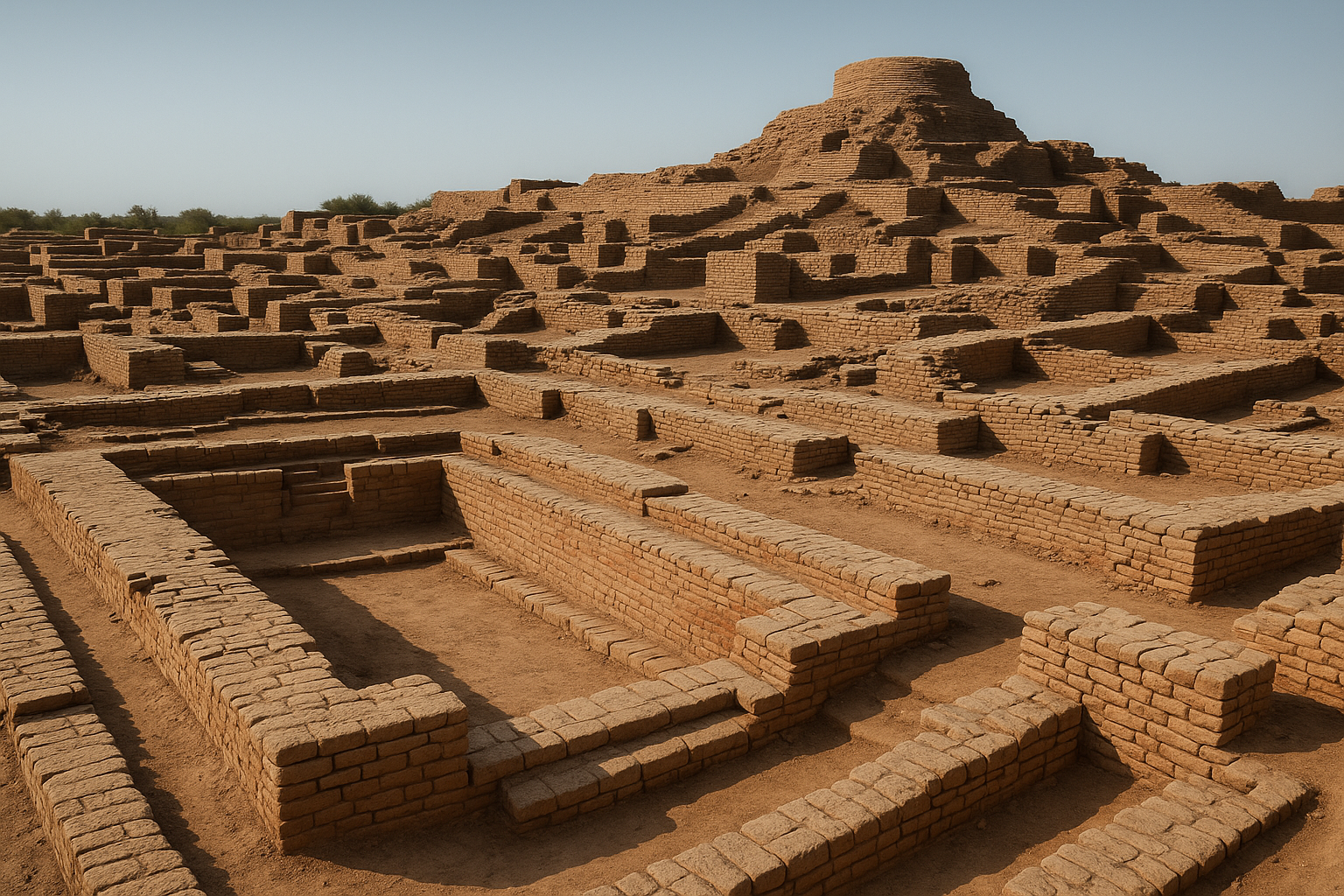
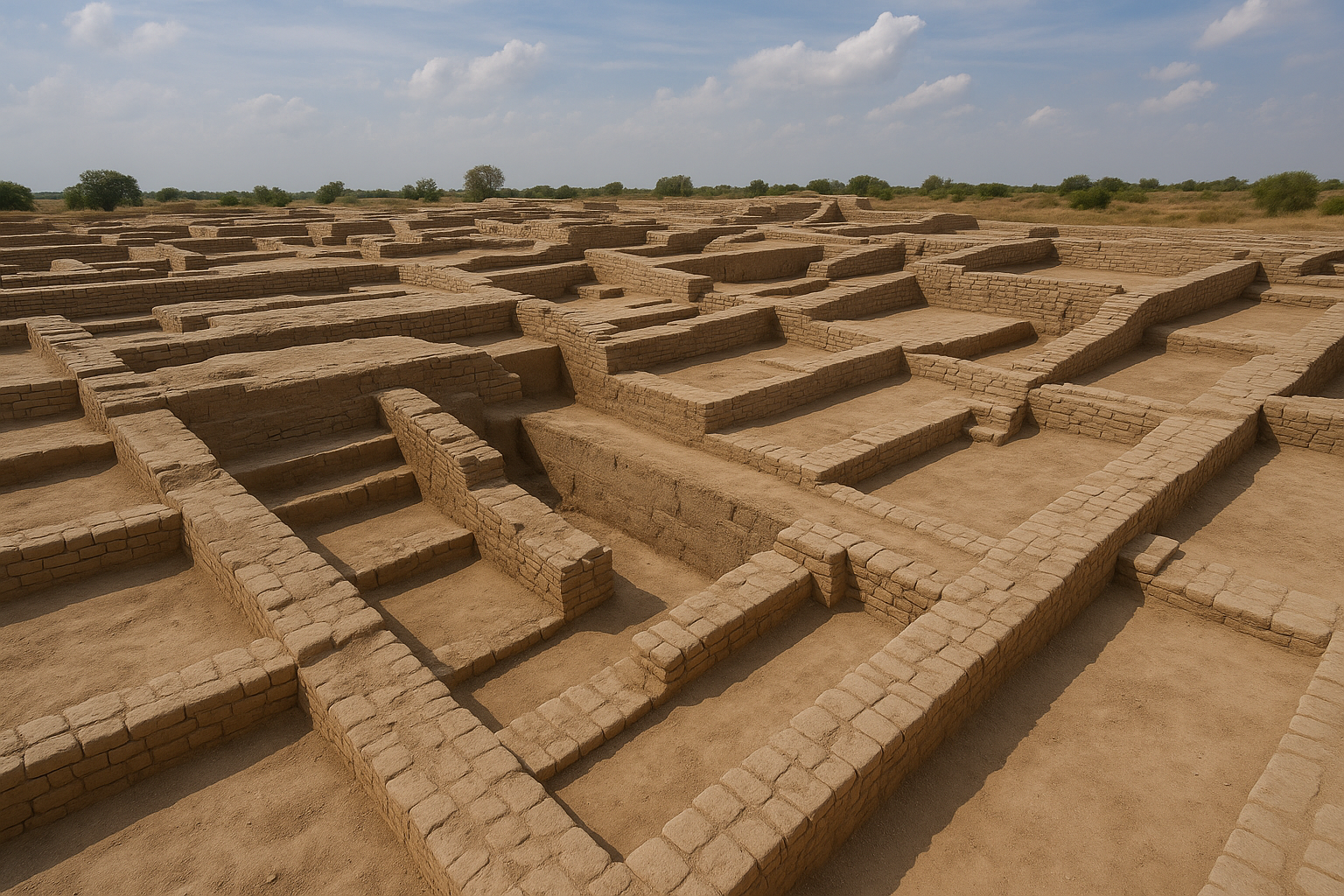
Mastery in Urban Planning

  • Grid System: Cities were laid out in precise grid patterns with streets cutting at right angles.
  • Drainage: The world's first known covered drainage system. Drains were lined with bricks and had manholes for cleaning.
  • Architecture: Use of standardized baked bricks (ratio 1:2:4) for construction.
  • Citadel vs. Lower Town: Most cities were divided into a fortified Citadel (west) and a Lower Town (east).
Ruins of Mohenjo-daro
8

Economy & Social Structure

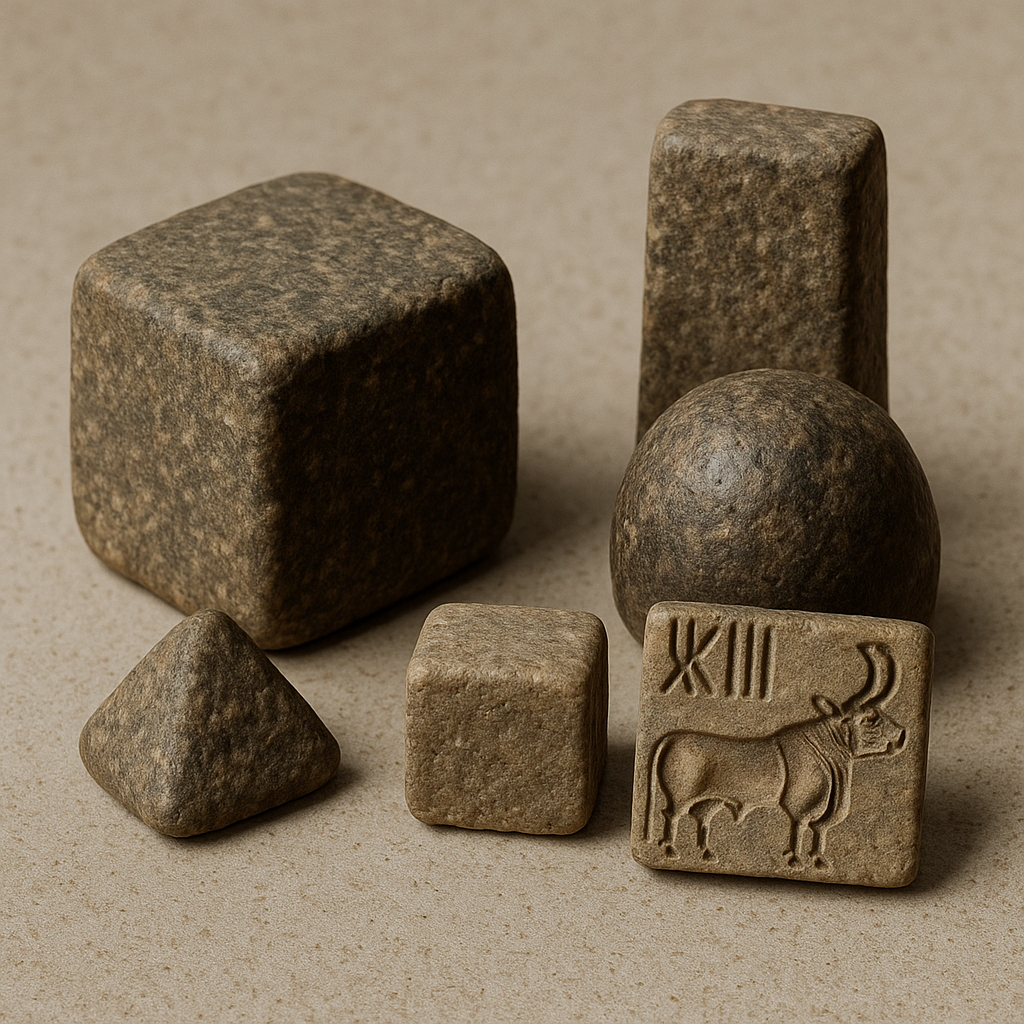
Indus Weights or Seals
  • Agriculture: Produced wheat, barley, and sesame. Earliest evidence of cotton production.
  • Weights & Measures: Highly standardized binary system of weights (1, 2, 4, 8, 16, 32, etc.).
  • Trade: Extensive trade network with Mesopotamia (Dilmun, Magan, Meluhha).
  • Egalitarianism: Absence of grand palaces or royal tombs suggests a society less stratified than Egypt or Sumer.
9

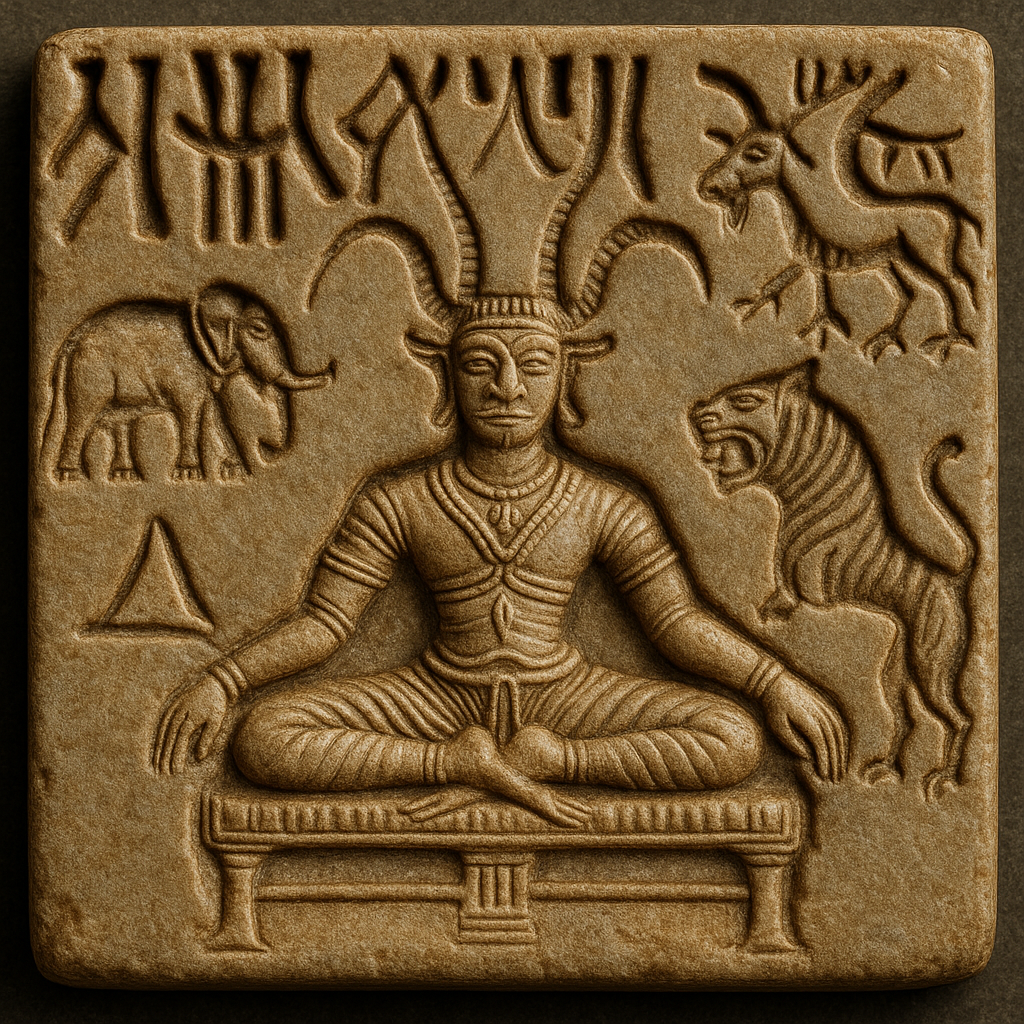
The Undeciphered Script

  • Extent: Found on over 4,000 seals, tablets, and pots.
  • Nature: Believed to be logo-syllabic (symbols representing words/concepts and sounds).
  • Direction: Written from right to left (Boustrophedon style in some long inscriptions).
  • The Challenge: No bilingual inscription (like the Rosetta Stone) has been found, making decipherment difficult.
Pashupati Seal
10

Site Focus: Harappa

  • Discovery: First Indus site to be excavated in 1921 by Daya Ram Sahni.
  • Location: Punjab, Pakistan (River Ravi).
  • Key Findings:
    • Rows of six granaries.
    • Workmen's quarters.
    • Cemetery H: Evidence of a late Harappan culture and burial practices.
    • Stone symbol of Lingam and Yoni.
Harappa Excavation
11

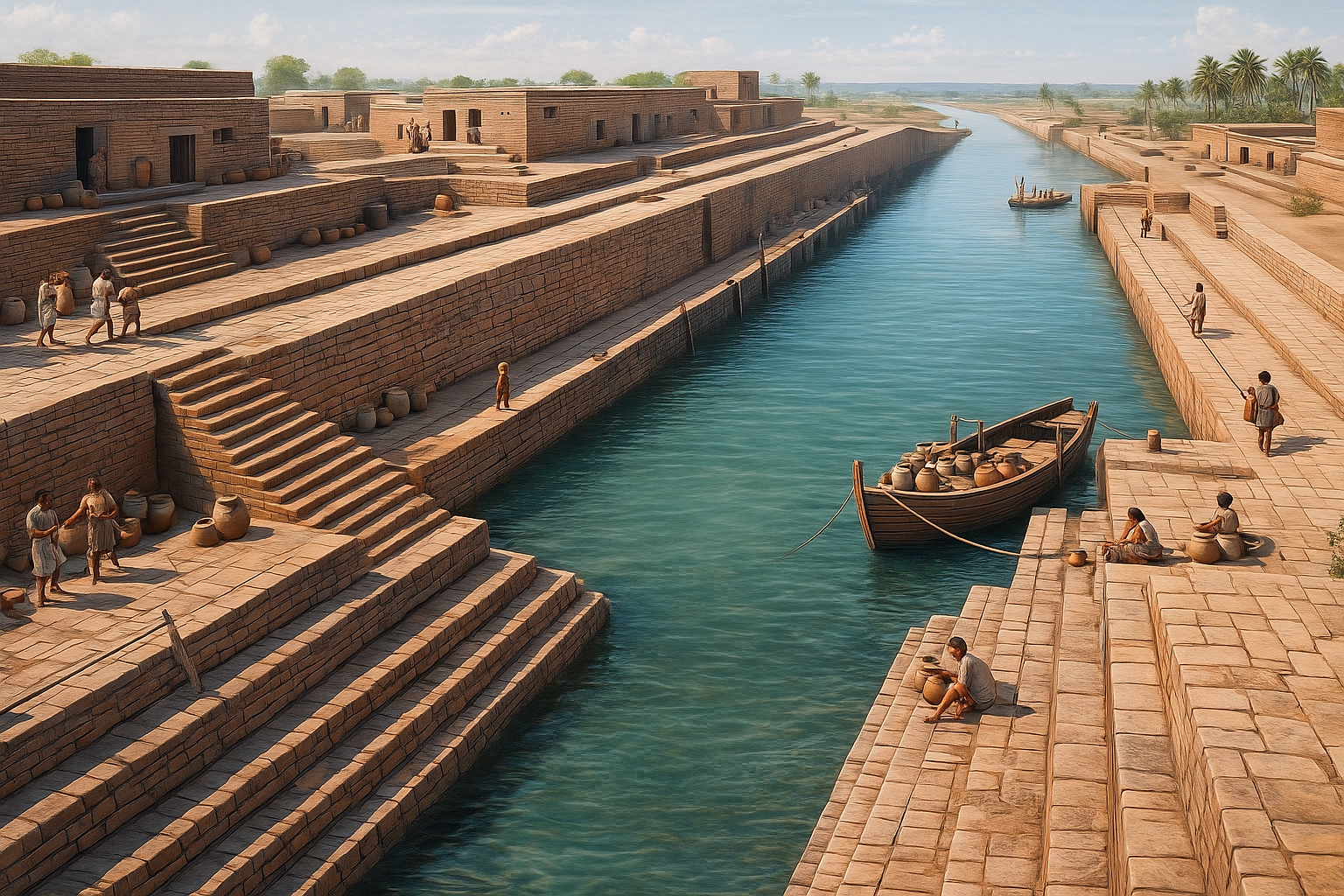
Site Focus: Lothal

Lothal Dockyard Illustration
  • Location: Gujarat, India (River Bhogava).
  • Significance: Known as the Manchester of IVC.
  • Key Findings:
    • Artificial Dockyard: The world's earliest known dock.
    • Bead-making factory.
    • Evidence of rice cultivation.
    • Fire altars (suggesting fire worship).
  • Future: Site of the upcoming National Maritime Heritage Complex.
12

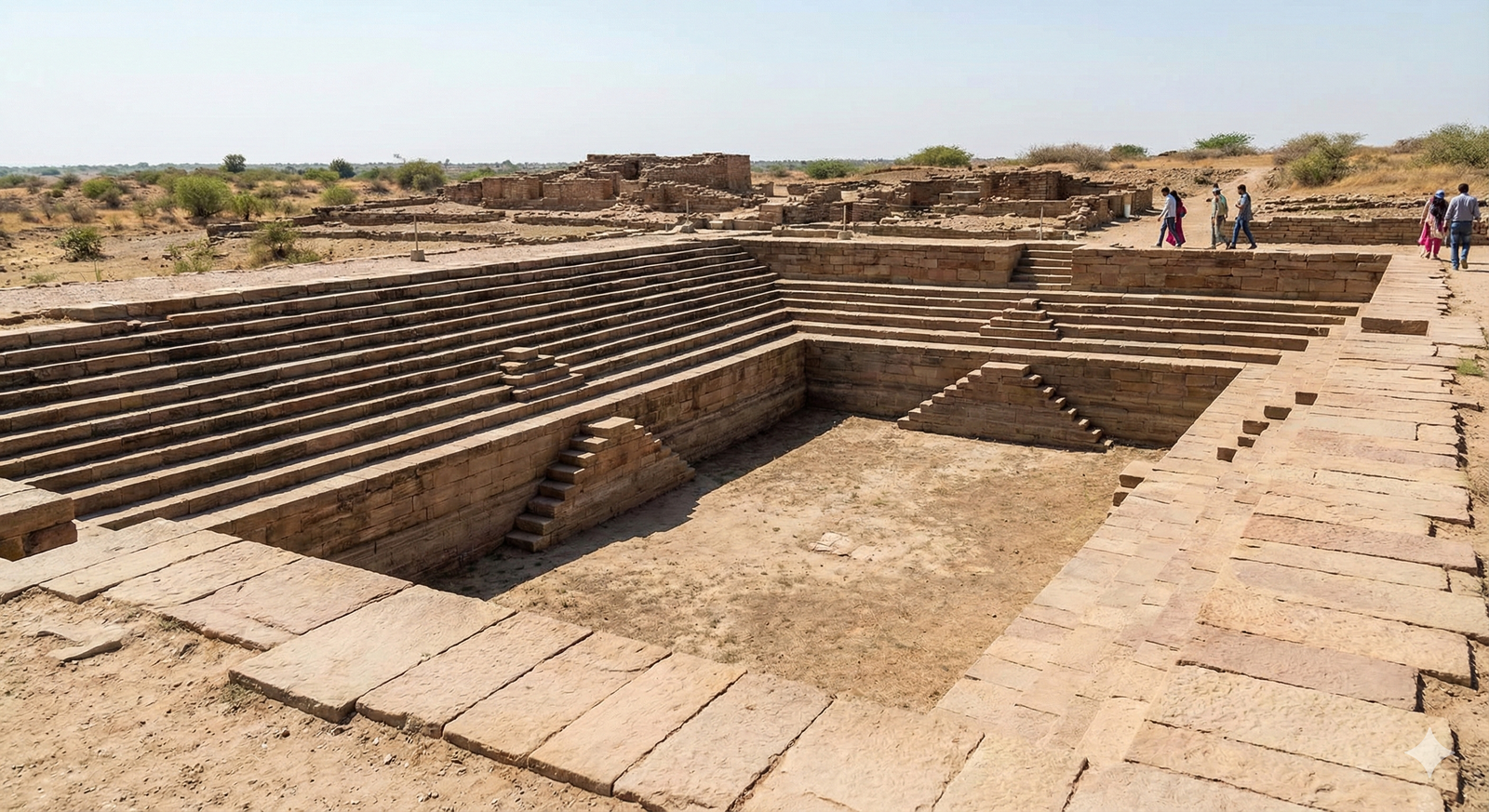
Site Focus: Dholavira

  • Location: Rann of Kutch, Gujarat.
  • UNESCO Status: Declared a World Heritage Site in 2021.
  • Unique Layout: Divided into three parts: Citadel, Middle Town, and Lower Town (unlike the usual two).
  • Water Management: Advanced system of reservoirs, dams, and embankments.
  • The Signboard: A large inscription with 10 large Indus signs.
Dholavira Reservoir
13

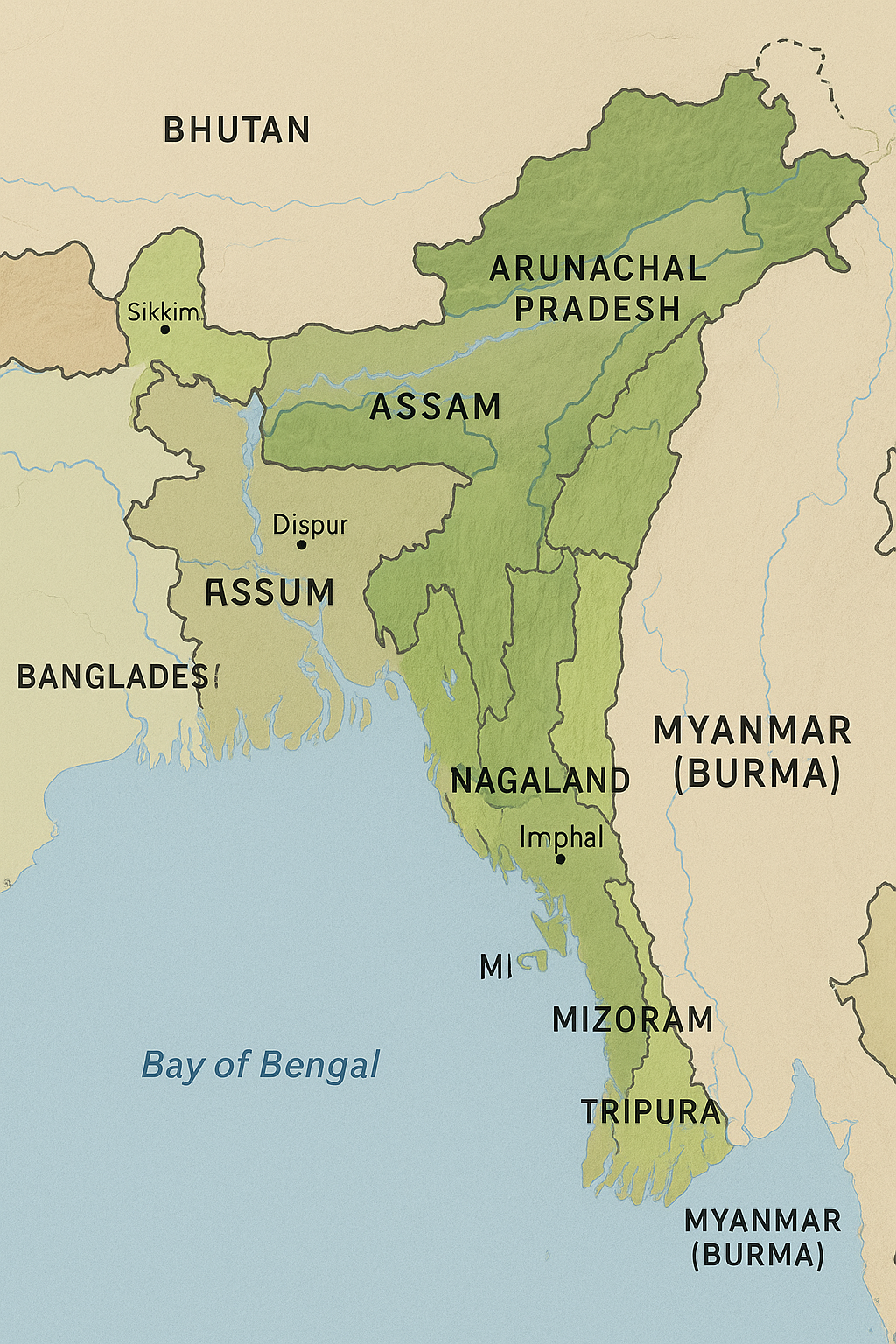
Manipur: Political Developments

14

Manipur: Security & Connectivity

Border Security

  • FMR Scrapped: The Free Movement Regime (FMR) with Myanmar has been scrapped to check illegal infiltration.
  • Fencing: Comprehensive border fencing announced along the Indo-Myanmar border.

Connectivity

  • Railway: Inauguration of the Bairabi-Sairang Railway line, enhancing connectivity with Mizoram and the rest of India.
Northeast India Map
15

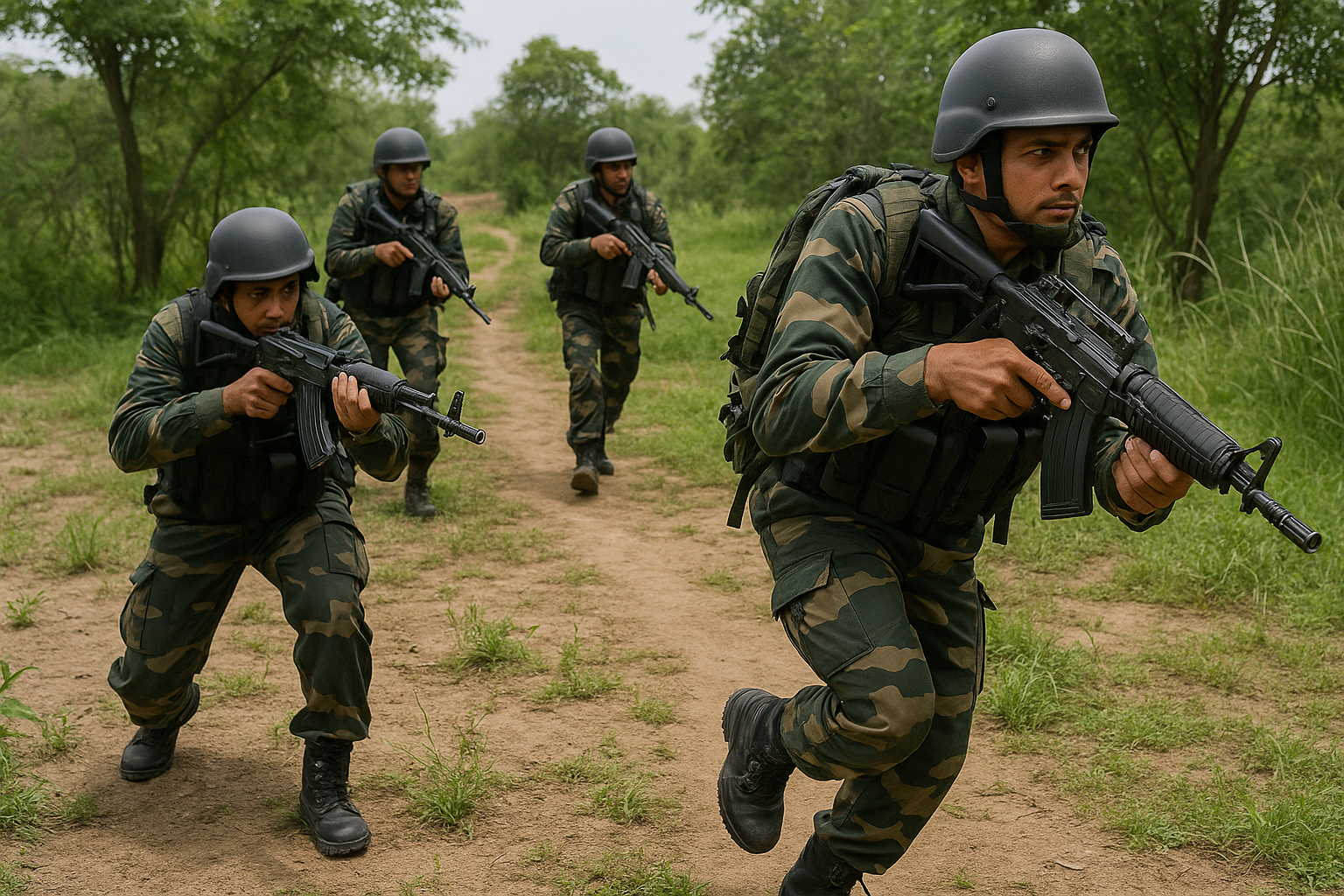
Operation Black Forest

Context: A massive 21-day joint operation involving the CRPF and Chhattisgarh Police.

Location: The dense, difficult terrain of the Karregutallu Hills.

Major Success: Neutralized Nambala Keshav Rao, the General Secretary of CPI-Maoist. This is considered a decapitating strike on the Naxal leadership.

CRPF Operation
16

Strategy Against LWE

The SAMADHAN Doctrine

The government continues to employ the multi-pronged SAMADHAN strategy to combat Left Wing Extremism:

  • S - Smart Leadership
  • A - Aggressive Strategy
  • M - Motivation and Training
  • A - Actionable Intelligence
  • D - Dashboard Based KPIs
  • H - Harnessing Technology
  • A - Action plan for each theatre
  • N - No access to financing
17

Defence: Vision 2035

Mission Sudarshan Chakra

Goal: To establish an impregnable Air Defence system for India and enhance offensive strike capabilities.

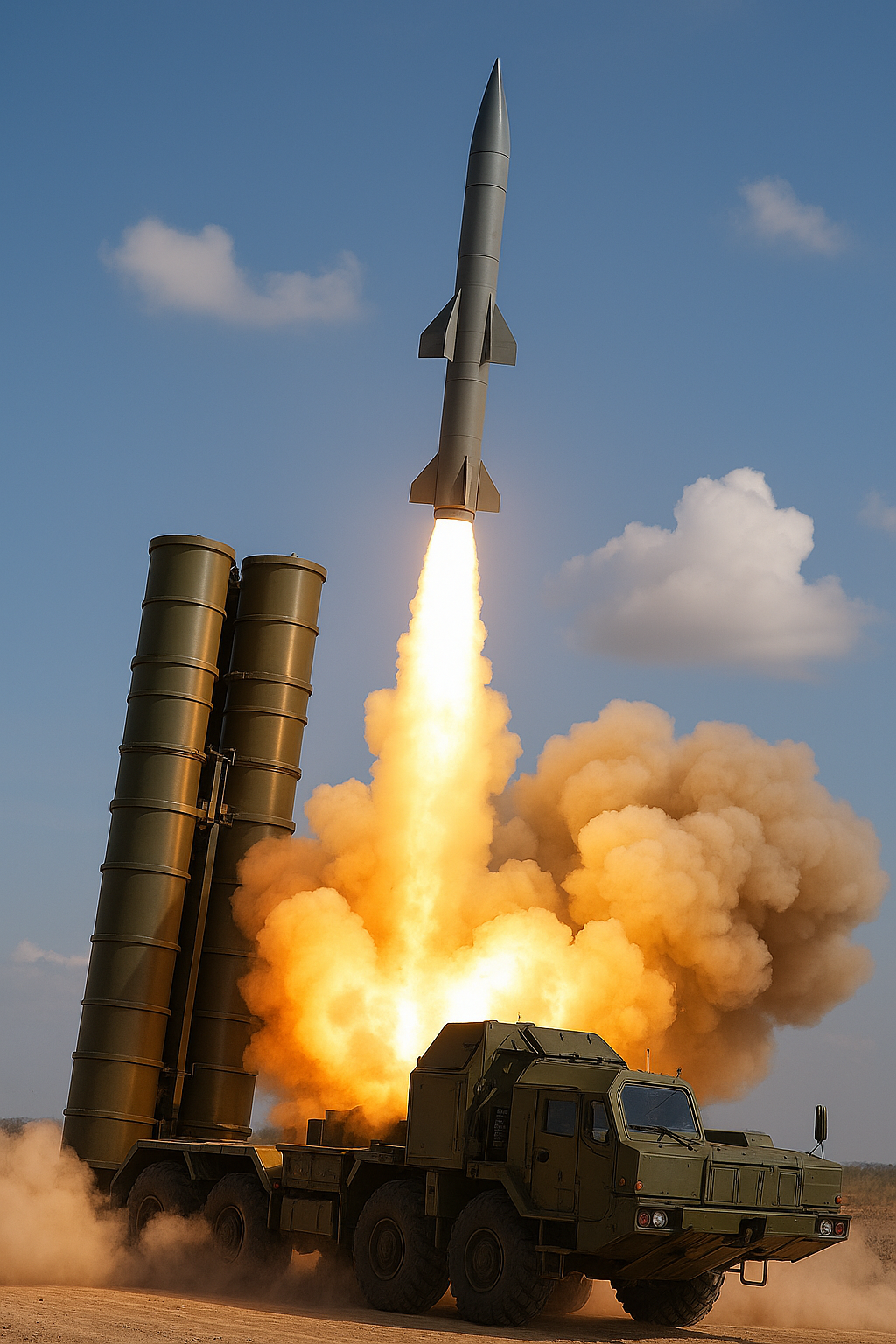
Project Kusha

  • Timeline: Expected deployment by 2028-29.
  • Developer: DRDO.
  • Asset: Indigenous Long-Range Surface-to-Air Missile (LR-SAM) system.
  • Capability: Similar to the Russian S-400, designed to detect and destroy stealth fighters, drones, and cruise missiles at long ranges.
Missile Launch
18

Integrated Air Defence Weapon System (IADWS)

QRSAM

Quick Reaction Surface-to-Air Missile

Designed to protect moving armoured columns from aerial attacks. Fully mobile and automated.

VSHORADS

Very Short Range Air Defence System

Man-portable air defence system (MANPADS) for neutralizing low-altitude threats like drones and helicopters.

Laser-DEW

Directed Energy Weapon

Future-ready tech engaging targets at the speed of light. Low cost per shot, ideal for swarms.

19

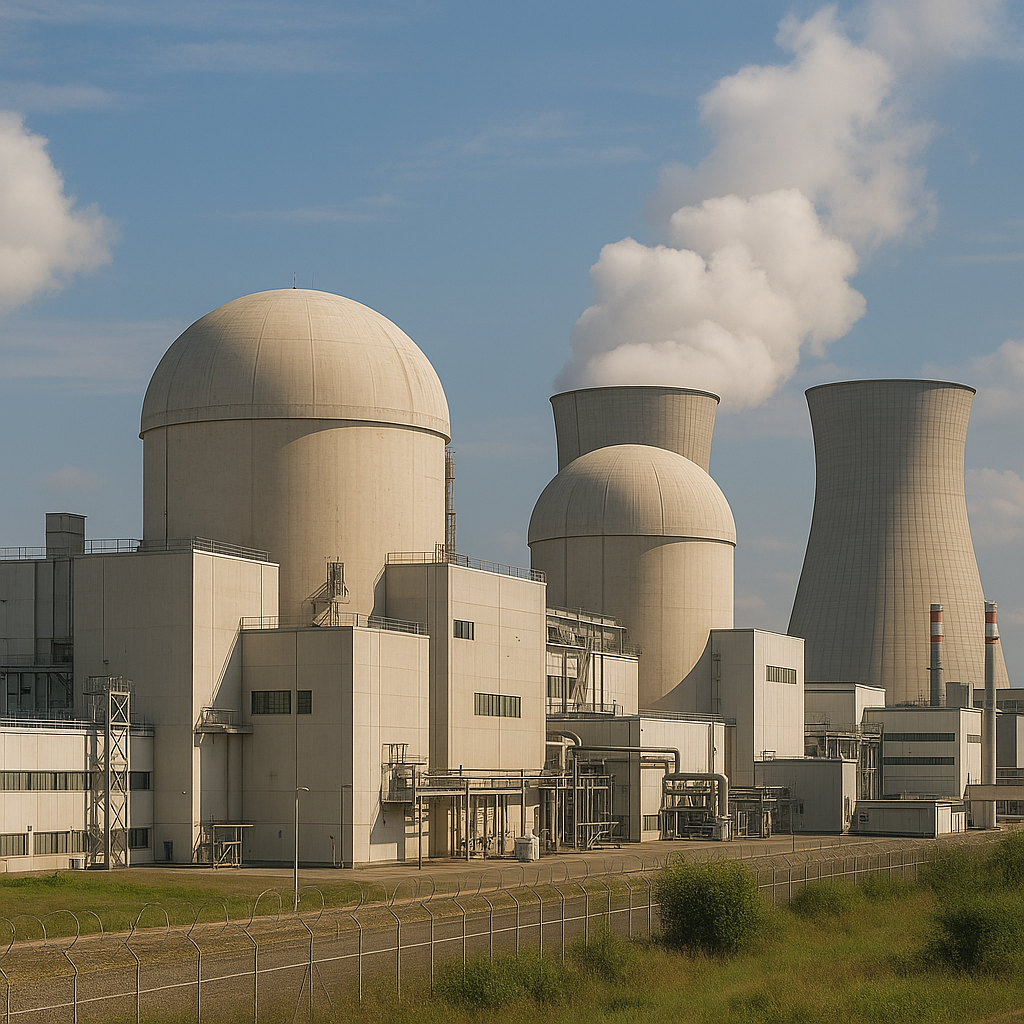
Nuclear Energy Mission

  • Budget 2025-26: A massive allocation of ₹20,000 crore to boost the sector.
  • Viksit Bharat Goal: To achieve 100 GW of nuclear power capacity by 2047.
  • Current Status:
    • Installed Capacity: 8.18 GW.
    • Rank: 5th largest source of electricity in India (after Coal, Gas, Hydro, Wind/Solar).
Nuclear Power Plant
20

Key Nuclear Projects

21

Space Sector: ISRO Updates

100th Launch

ISRO successfully completed its 100th launch mission from the Satish Dhawan Space Centre (SDSC), marking a historic operational milestone.

SpaDeX

Space Docking Experiment: A technology demonstrator mission to master docking two spacecraft in orbit—crucial for the future Bharatiya Antariksha Station.

Project CROPS

ISRO has successfully germinated Lobia (Black-eyed peas) seeds in space, a significant step towards space agriculture for long-duration manned missions.

22

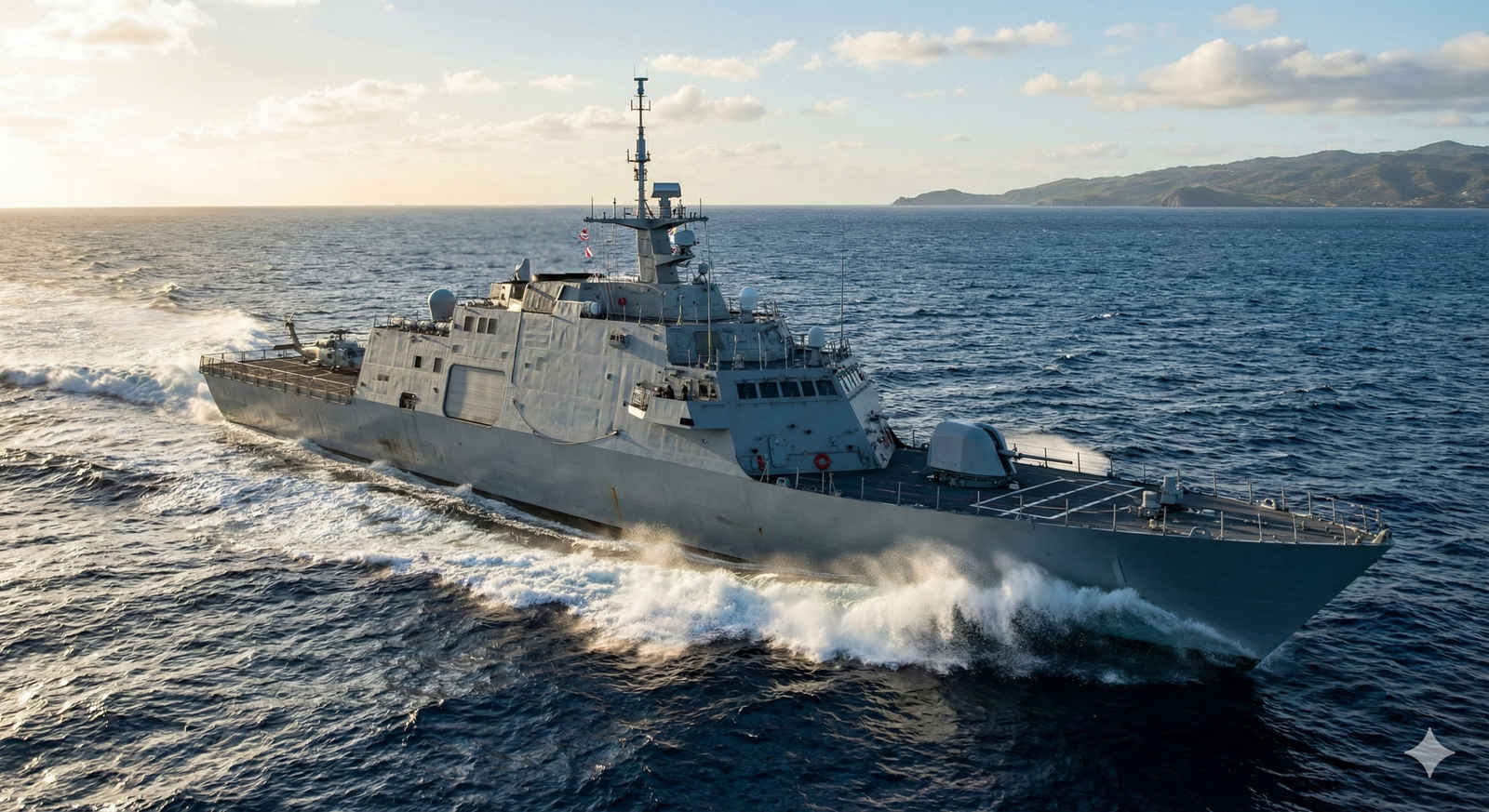
Naval Update: INS Tamal

  • Type: Stealth Frigate.
  • Origin: Built in Russia as part of a defence deal signed in 2016.
  • Armament: Equipped with the deadly BrahMos supersonic cruise missiles.
  • Etymology: Named "Tamal" after the mythical sword of Indra, symbolizing power and protection.
Navy Ship Illustration
23

Naval Update: INS Nipun & Nistar

Diving Support Vessels (DSV)

Indigenously Built: Constructed by Hindustan Shipyard Limited (HSL), Visakhapatnam.

Role: These vessels significantly enhance the Indian Navy's submarine rescue capabilities and support deep-sea diving operations.

Strategic Fit: Aligned with the SAGAR (Security and Growth for All in the Region) initiative.

24

Know Your Mentor

Ashish Raghuvanshi

GK Faculty, Law Prep Tutorial Patna

Hello! I am Ashish Raghuvanshi. I am an alumnus of NLU Lucknow, where I completed my LLB.

As an educator, I strive to make General Knowledge accessible and engaging. Outside of teaching, I am a passionate individual who loves listening to music and traveling to explore new cultures.

Ashish Raghuvanshi
25

Thank You!

GK Marathon 2025

Questions & Discussion

26